

Everything about protective leather gear every BIKER should know!
Two-wheeled motorcycles have developed significantly since their inception. More and more, we Bikers are given many opportunities to be amazed by new two-wheeled models with light speed and inspiring wind whistles. In parallel with speed, new research on protective materials and structures is also prioritized to keep Bikers safe. However, after all the innovations and advancements in protective armor, leather gear remains a classy, top-tier passion.
Cowhide, bison, deer, goat, sheep, and calf leather are most commonly used in leather apparel. However, in terms of durability and exceptional load-bearing resilience, kangaroo, cow, and goat leather are most commonly used in motorcycle protective gear. Compared to artificial leather materials, real leather offers excellent abrasion resistance and perfect durability. Therefore, on major international racetracks, professional Bikers always use leather protective suits. But do you know the difference between leather materials? Which type of leather should you choose for your suit? What is the expert's advice? First, let's learn about some common types of leather!
- Classification by leather material
Cowhide
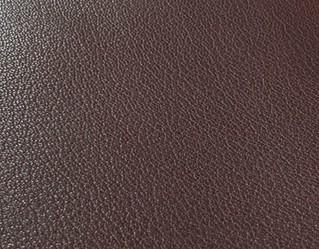
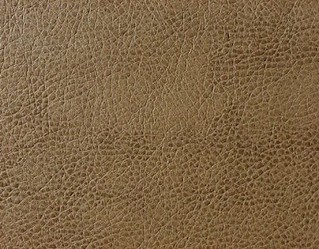
Cowhide is the most commonly used leather in motorcycle protective clothing. You'll find it in boots, gloves, jackets - most protective gear designed to keep you safe on your ride is made from cowhide. With high durability, affordable price, and easy availability, cowhide is widely used for its excellent abrasion resistance. This is the typical surface texture of cowhide, folks
Goat Leather
Goat leather is very durable and offers a rare comfort that no other material can replace. It provides a wonderfully soft and smooth feel upon contact. Thanks to its special lanolin content, goat leather is softer and smoother than your ex-girlfriend's skin! This is why you often see goat leather used for the palm lining of protective gloves!
In case you're like me and wondering what lanolin is? OK, it's a waxy moisturizing substance secreted by the sweat glands of sheep and goats, making their skin and fur exceptionally soft! (Sounds good, right!)
Kangaroo Leather
Kangaroo leather is often used in more expensive motorcycle protective gear. Yes, that's right! Kangaroos, those adorable little animals (they're actually quite large) that live in Australia, have a pouch and hop around. Don't be sad that they are used for leather goods, kangaroos in Australia are not an endangered species. Too many kangaroos can be harmful to humans and the ecosystem.
Kangaroo leather is thinner and lighter without losing too much during processing. Kangaroos have less fat than cows or some other animals, so there's less shaving and less processing during production. This allows for the complete preservation of the leather's strength and durability. In terms of attractiveness and beautiful shine, K leather is not inferior to cowhide, but in terms of strength and protection, K leather is even superior!
Synthetic Leather
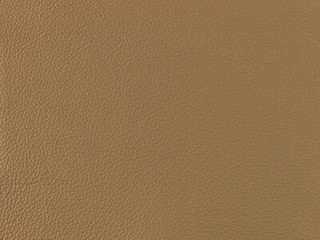
Artificial or faux leather is often used in moto boots, shoes, and gloves. Synthetic leather is more cost-effective, cheaper, and although not real leather, it still provides good abrasion resistance. So, it's a friendly alternative if you don't want to use animal leather. Faux leather often has many different grain patterns, sometimes looking very beautiful and perfect, but if you look closely, you'll see that there are no pores on the leather, and the grain patterns are very even, not as natural as real leather.
Some product lines may use buffalo, deer, and even horse leather for protective gear. But most leather motorcycle and two-wheeled protective equipment today is usually made from one of the four types above.
- Classification by leather processing method
Of course, there are many more ways to classify leather if we look deeper into how it is processed. The processing techniques during production will greatly affect the leather's abrasion resistance, surface feel, and overall durability.
You will find many brands with their own proprietary techniques for processing and manufacturing to enhance or transform the properties of leather materials. For example, the leather on Alpinestars' full suit products is full-grain cowhide, coated with various types of plastics and silicone waxes to improve the leather's technical features. Giving the leather water resistance, mildew resistance, and an always-new look!
Speaking of leather processing methods, they are very diverse: treated or embossed grain leather, split suede, nubuck suede, distressed leather, etc. But for protective leather gear used by Bikers, you will usually find them using full-grain or top-grain leather.
Full-grain leather
Full-grain leather is considered the best and most durable leather. The entire leather structure remains intact, which is why it has higher durability and longevity. For this reason, full-grain leather is the most expensive and favored by many.
Top-grain leather
Top-grain leather is slightly thinner than full-grain leather because it is sanded to remove surface scratches or imperfections. This removes the natural grain or pores on the surface. But top-grain leather still retains the load-bearing layer, remaining durable and of excellent quality. However, because it has been sanded to conceal imperfections, it becomes a secondary type of leather compared to full-grain in terms of strength and durability. Although top-grain leather can be polished and dyed for expensive fashion clothing, for motorcycle protective gear, we are more concerned with protection and durability.
So which type of leather should you buy?
Without experience in buying and using leather goods, you might make a wrong decision and buy an unsuitable product. The protective jackets, pants, gloves, and boots I usually use are made of cowhide, but in some cases, I prefer goat leather. For example, I have a pair of Alpinestars CELER V2 gloves
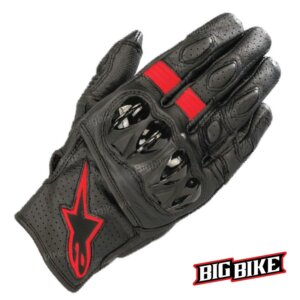
made entirely of goat leather, purchased at BIGBIKE.vn. I have bought these gloves three different times for my wife and younger brother because they are extremely comfortable. In terms of durability, I have had several accidents and this protective gear has always held its protective role, giving me extreme peace of mind.
For the same reason, some riders prefer kangaroo leather gloves. Especially with gloves, where feel is very important, it's worth trying a few different types of leather to see which one suits you best.
When it comes to jackets, pants, and race suits, I prefer to use cowhide leather. While kangaroo can be more comfortable or flexible, thanks to motorcycle protective technology, it has come a long way. All Alpinestars leather gear is equipped with accordion elastic stretch panels at the shoulders, elbows, and knees, providing comfort and flexibility no less than kangaroo leather.
In addition, cost is always an important, if not the most important, factor. Just to give an example, the ALPINESTARS GP FORCE 1-PIECE LEATHER SUIT
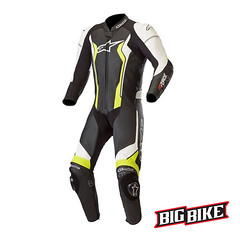
is made of cowhide with fabric and retails for about 12,510,000 VND. It is certainly considered a high-end, expensive suit. But the ALPINESTARS MOTEGI V2 1-PIECE LEATHER SUIT
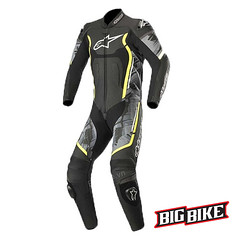
is made of premium 1.3mm perforated cowhide and retails for about 22,850,000 VND. That's just a small example, but you will often pay more for better leather material.
Ultimately, it mainly comes down to your personal preference and budget. Either way, from ancient times to the present, leather goods have always been the epitome of luxury, bravery, and coolness for Bikers for decades due to their durability and abrasion resistance. Today, leather riding gear has become much more durable and better, evolving from traditional tanning methods combined with modern leather processing. So, in the opinion of experienced Bikers who have tried many different protective gear materials, leather protective gear is still a good choice. You can visit the BIGBIKE.vn protective gear shop immediately for advice and to try out products to choose the most satisfactory one!
# leather gear tips. good leather. cowhide. moto leather gear. motorcycle. two-wheeler. 2-wheeler.