

Motorcycle care in the rainy season needs to focus on 5 main categories: washing the bike after riding in the rain, maintaining the chain and sprockets, checking the engine oil, cleaning the air filter, and caring for the electrical system. For city riders, touring riders, or long-distance riders, timely maintenance helps the bike operate more stably in wet conditions.
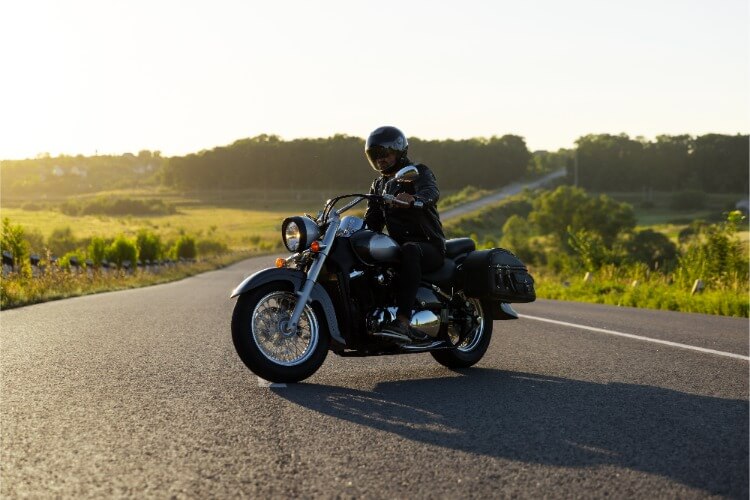
Detailed guide on how to care for a motorcycle in the rainy season
Why special attention is needed for motorcycle care in the rainy season
Motorcycles need more careful attention in the rainy season because water, mud, humidity, and road impurities can affect the paint, chassis, chain and sprockets, electrical system, air filter, and engine oil. If maintenance is neglected after riding in the rain, the bike can quickly deteriorate and operate less stably.
The rainy season in Vietnam often comes with slippery roads, dirty water, hidden potholes, and the risk of localized flooding. For motorcycles, especially large displacement bikes or touring bikes, exposed parts such as chains, brake calipers, screws, chassis, and electrical connectors are all susceptible to environmental effects.
Riders do not necessarily need to wash their bikes too thoroughly after every light rain. However, if the bike goes through dirty water, mud, or flooded areas, it should be checked and cleaned as soon as possible. Proper care will help reduce the risk of rust, chain jamming, brake seizing, engine stalling, and abnormal fuel consumption.
>>> In addition to engine maintenance, choosing bike models with stable performance suitable for the rainy season also makes long trips more reassuring. You can learn more about common touring bikes to best prepare for your journey.
Harmful effects of acid and dirt in rainwater on bike paint
Rainwater often has a mild acidic nature and can carry fine dust, mud, engine oil, asphalt, or chemicals from the road surface. When these impurities cling to the fairings, fuel tank, wheels, or metal parts for a long time, the paint surface can easily become dull and lose its shine.
The problem is not only with the rainwater but also with the layer of dirt that remains after the water dries. Mud streaks, mineral deposits, and road oil can stick firmly in plastic crevices, screws, under the engine, and wheel arches. If wiped directly with a dry cloth, small sand particles can create tiny scratches on the bike's paint.
A safer way is to spray water at moderate pressure to soften the mud first. Then, use a suitable bike wash solution and a clean microfiber towel to minimize surface scratches.
Risk of rust and engine damage when traveling through flooded areas
When a motorcycle passes through a flooded area, water can affect the exhaust pipe, air filter, spark plug, electrical connectors, chain and sprockets, and engine oil. If water enters the combustion chamber or lubrication system, attempting to start the engine can worsen the damage.
Signs to watch out for include the bike losing power, sudden engine stalling, strange engine noises, discolored oil, a burning smell, abnormal warning lights, or water flowing out of the air filter box. If the bike stalls while submerged, riders should turn off the ignition, push the bike out of the deep water area, and take it to a repair shop instead of repeatedly trying to restart it.
Besides the engine, metal parts such as bolts, brackets, kickstands, brake calipers, brake discs, and chains are also prone to rust if kept damp for a long time. Therefore, after riding through water, the bike needs to be cleaned, dried, and inspected more thoroughly than usual.
Washing the bike immediately after riding in the rain – The most important step in motorcycle care during the rainy season
Washing the bike after riding in the rain is the most important step to remove mud, road oil, and impurities clinging to the bike's surface. This helps protect the paint, limit corrosion of metal parts, and keep components like brakes, chain, wheels, and underbody operating more stably.
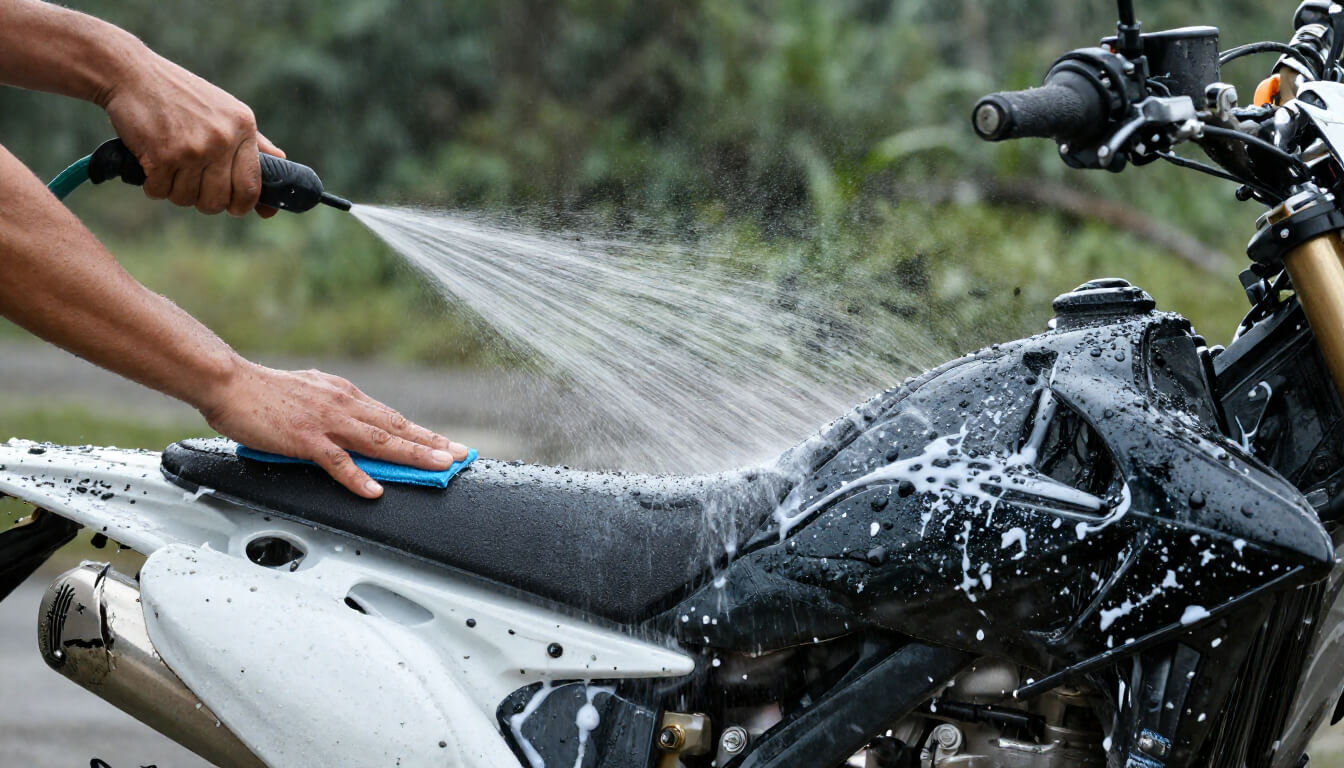
Washing the bike helps remove mud and impurities after rain
Do not wait until the weekend to wash your bike if it has just passed through a flooded section or a muddy road. Long-adhering dirt is often harder to clean and can easily penetrate plastic crevices, bolt holes, or areas near the wheel axle. For daily commuting bikes, a quick rinse after a heavy rain significantly reduces the amount of accumulated grime.
The basic bike washing process after riding in the rain can be done in 5 steps:
- Spray water to soften mud on the wheels, underbody, fenders, and engine block.
- Use a suitable bike wash solution, avoid strong detergents.
- Wipe gently with a soft cloth, do not rub hard when there is still sand on the surface.
- Rinse off all foam, especially in plastic crevices and metal parts.
- Wipe dry, idle the engine briefly, and check the brakes, chain, and lights.
Removing impurities to protect fairings and chassis
Fairings, fuel tank, fenders, wheels, and chassis are areas prone to getting dirty after riding in the rain. If only wiped briefly with a cloth, riders can drag sand across the paint surface and create small scratches.
For bikes with many matte plastic parts, air vents, or metal brackets, use a soft brush to clean hidden corners. Do not spray water at excessive pressure directly into the ignition lock, steering head, dashboard, electrical crevices, air filter, or exposed wiring areas.
After washing, dry the bike with a clean towel. Areas like the kickstand, license plate bolts, rear footrests, brake calipers, and brake levers should also be checked quickly as they tend to retain water longer than the fairings.
Preventing oxidation of metal parts
Oxidation occurs faster when metal is exposed to water, mud, and humid air for a long time. On motorcycles, easily affected points include the chain, bracket bolts, exhaust header, kickstand, wheel axles, brake discs, and underbody parts.
After washing the bike, riders should dry the metal parts and ride slowly for a short distance to let the brakes work lightly, helping the brake discs dry faster. However, do not brake suddenly immediately after washing the bike or after riding through heavy rain, as braking effectiveness may not be stable yet.
For the chain and sprockets, just washing with water is not enough. After cleaning, the chain needs to be dried and lubricated with a specialized product to reduce friction, noise, and rust.
Maintaining the drivetrain in wet weather conditions
The drivetrain needs priority maintenance in the rainy season because the chain, sprockets, or scooter variator are often directly affected by dirty water and mud. When the drivetrain is dry, jammed, or has accumulated grime, the bike can feel sluggish, consume more fuel, jerk when accelerating, and reduce the feeling of control.
For geared bikes and motorcycles using chain and sprockets, the rainy season is when the chain easily dries out, accumulates sand, and rusts. For scooters, water and dust can affect the variator area, drive belt, and pulleys if the bike frequently passes through flooded roads.
|
Category |
Signs to check |
Basic care |
|
Chain and sprockets |
Dry, noisy, squeaky, slack chain |
Clean, dry, lubricate |
|
Brake disc |
Squeaking noise, poor braking |
Clean mud, ride slowly to check |
|
Scooter variator |
Front end vibration, sluggish engine, noisy variator |
Clean at a reputable shop |
|
Drive belt |
Vibration, slipping, cracking |
Check according to manufacturer's recommendations |
Cleaning and lubricating chain and sprockets (NSD) for geared bikes and motorcycles
The chain and sprockets are components that easily deteriorate in the rainy season if not properly maintained. Rainwater and dirty sand wash away the lubricant, causing the chain to increase friction, make noise, and wear out faster.
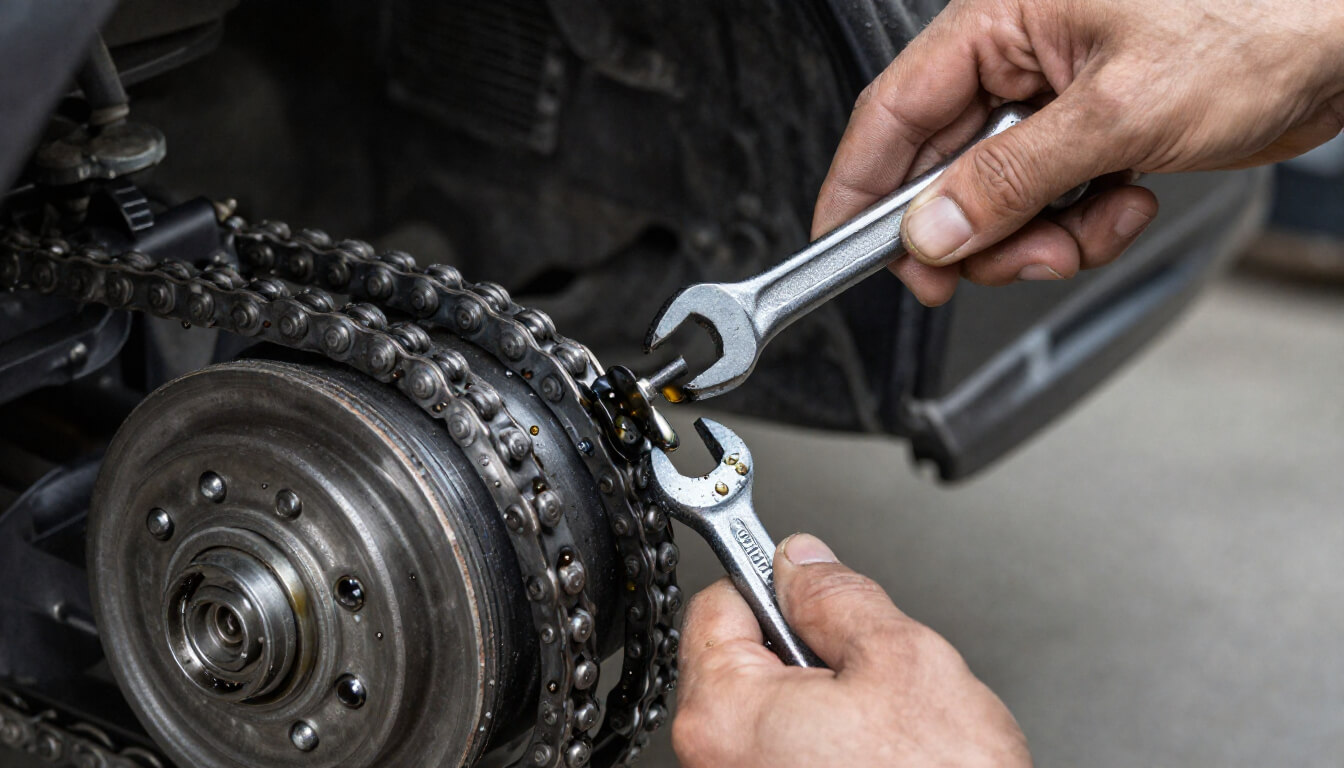
Cleaning and lubricating the chain helps the bike run smoother
After riding in the rain or washing the bike, let the chain dry, then use a chain cleaner if needed. After that, spray chain lube evenly on the inside, rotate the wheel slowly to spread the lubricant, and wipe off any excess on the outside. Applying too much can cause the chain to attract dust faster.
Riders should also check for chain slack, stuck chain links, and whether the sprocket teeth are sharply worn. If the chain is stretched, loose, or making unusual noises, take the bike to a shop for adjustment or replacement of the entire set.
>>> Regular lubrication after each wash helps the chain maintain smoothness and minimize rust and grime buildup. To keep the drivetrain smooth, understanding the correct motorcycle chain maintenance techniques is essential for bikers.
Checking and cleaning the variator for scooters
Scooters do not use chain and sprockets like geared bikes, but the variator and drive belt are easily affected when riding through heavy rain or flooded areas. When water and dust enter the drivetrain area, the scooter can experience front-end vibration, sluggish engine, noisy variator, or jerky acceleration.
Users should not attempt to disassemble the variator themselves if they lack tools and experience. A safer approach is to take the bike to a shop to check the clutch bell, clutch shoes, pulleys, drive belt, and ventilation area. This is especially necessary if the bike has just ridden through deep water or shows signs of drivetrain slipping.
For scooters used daily in urban areas, regular variator maintenance helps the bike accelerate better, consume less fuel, and reduce jerking when starting after the rainy season.
Checking engine oil and air filter when the bike is submerged in water
When a bike is submerged in water, engine oil and the air filter are two items that need to be checked early because they are directly related to the engine. Water-contaminated oil reduces lubrication effectiveness, while a wet or dirty air filter deprives the engine of air, causing power loss and increased fuel consumption.
If the bike only rode in light rain and did not go through deep water, you can do a quick check after returning home. If the bike went through high water, stalled, or made strange engine noises, you should stop using it and have it inspected. Attempting to continue riding can cause damage to spread from the air filter and spark plug to the engine.
How to identify water-contaminated oil (coffee-with-milk color) and when to replace it
Normal engine oil usually has a golden-brown, dark brown, or black color depending on its usage time. When oil is contaminated with water, the color can turn into a coffee-with-milk appearance, become cloudy, foamy, or the oil level may rise abnormally on the dipstick.
If these signs are observed, riders should not continue riding long distances. Water-contaminated oil reduces lubrication, causing engine parts to experience higher friction. In severe cases, the oil needs to be changed, the system cleaned, and the oil filter checked if the bike is equipped with one.
A simple tip is to check the oil after the bike has cooled down and is standing upright. If you are unsure whether the oil color is abnormal, ask a technician to check it instead of drawing your own conclusions.
Maintaining the air filter to ensure engine performance and fuel efficiency
The air filter is responsible for retaining dirt before air enters the combustion chamber. When the air filter is wet, dirty, or clogged, the engine struggles to get enough air, easily loses power, becomes sluggish, and consumes more fuel.
After riding through a flooded area, check the air filter box for water, mud, or a damp smell. Paper filters should generally not be washed as they can lose their filtering ability. Foam or fabric filters need to be cleaned according to the manufacturer's instructions.
For touring bikes in the rainy season, the air filter should be checked more frequently compared to dry conditions. This is a small item but significantly affects the bike's smoothness, responsiveness, and fuel consumption.
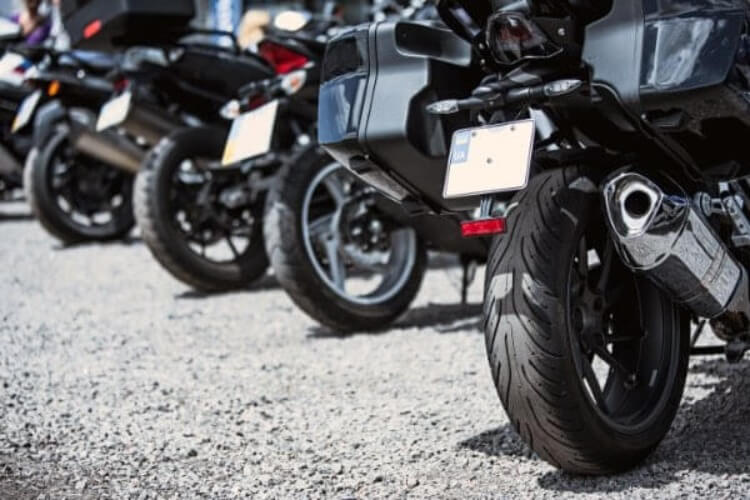
Checking the air filter and engine oil system when the bike is submerged in water is quite important
Caring for the electrical system and spark plug to prevent engine stalling
The electrical system and spark plug need careful attention in the rainy season because water can dampen electrical connectors, ignition coil, spark plug cap, switches, and contacts. When ignition is weak or intermittent, the bike can be difficult to start, lose power, stall on the road, or report abnormal errors.
Modern motorcycles have many sensors, LED lights, electronic dashboards, and electronic fuel injection systems. Therefore, spraying water directly into electrical areas or attempting to disconnect connectors without experience can be risky. Users should clean gently, dry properly, and have the bike inspected if there are signs of malfunction.
Checking and drying the magneto and electrical contacts
After riding in heavy rain or through water, riders should check for signs such as difficulty starting, flickering lights, weak horn, error messages on the dashboard, or abnormal engine shutdown. These could be signs that water has affected the electrical contacts.
Do not use a high-pressure washer directly on the steering head, ignition lock, switches, battery, magneto, or electrical connectors. Instead, wipe the exterior dry, leave the bike in a ventilated area, and recheck once the bike has dried out.
If the bike has been deeply submerged, ask a technician to check the magneto, electrical connectors, wiring, battery, and related sensors. Incorrect self-disassembly can break clips, expose connectors, or create electrical faults that are difficult to fix.
Cleaning the spark plug and ignition system after riding through water
The spark plug is a small but critical component directly affecting ignition capability. When the spark plug or spark plug cap is damp, the bike can be difficult to start, misfire, lose power, or stall when accelerating.
After the bike has ridden through water and shows abnormal signs, check the spark plug area if you have experience or take the bike to a shop. The spark plug needs to be removed with the correct tools, dried, and its gap and carbon buildup checked. The spark plug cap also needs to fit securely, without cracks, and be watertight.
For large displacement bikes or bikes with complex engine structures, do not attempt to remove the spark plug at home if its location is difficult to access. Incorrect handling can damage the spark plug threads, high-tension lead, or surrounding plastic parts.
Bigbike helps you prepare safely for the rainy season
Caring for and protecting manual transmission bikes and motorcycles in the rainy season is not just about washing the bike, but also requires thorough preparation of both rider gear and the bike itself. Sudden downpours or flooded, muddy roads are always "enemies" that cause bikes to deteriorate quickly and reduce your riding experience.
Bigbike is proud to be a trusted companion, offering you high-quality rain accessories:
- Rain suits and shoe covers: Keep your body dry, prevent rainwater from soaking in and causing chills, helping you focus entirely on steering.
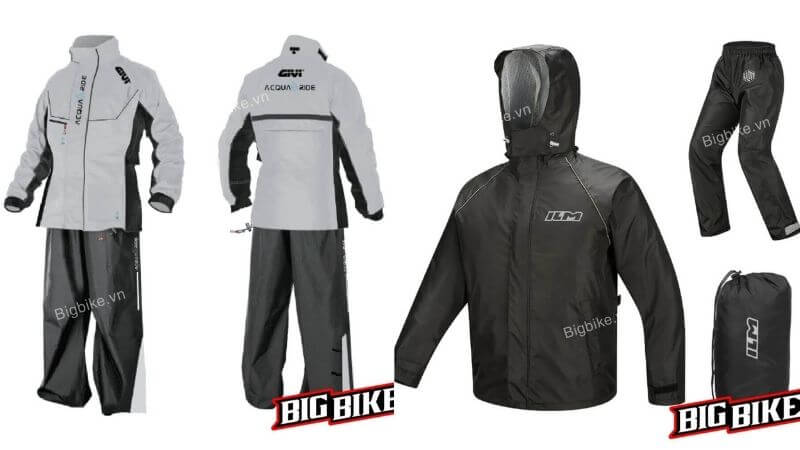
Rain accessories for bikers
- Waterproof backpacks and bags: Absolutely protect your wallet, phone, laptop, or personal belongings from getting wet when traveling through flooded roads or heavy rain.
>>> In addition to protecting your beloved ride and keeping your gear clean and durable after every rain, don't forget to equip yourself with specialized protective touring gear to get genuine bike care products and rain protective gear!"
To purchase genuine helmets, gloves, or rain gear, bikers can visit Bigbike.vn Protective Gear Shop directly at 79/30/5 Au Co, Hoa Binh Ward, District 11, HCMC. If you need quick advice on sizing or products, you can contact us immediately via Hotline 028 6279 7251 for the most accurate support before the rainy season arrives!
FAQs - Frequently Asked Questions
Do I need to wash my motorcycle immediately after every rain?
It's not always necessary to thoroughly wash the bike after every light rain. However, if the bike goes through dirty roads, mud, floodwater, or areas with a lot of road oil, it should be rinsed and dried early. This helps protect the paint, chain, underbody, brakes, and metal parts from long-term grime buildup.
Should I restart a motorcycle if it's been submerged in water?
Do not attempt to restart the engine if the bike stalls in a flooded area. Riders should turn off the ignition, push the bike out of the deep water area, and take it for inspection. Repeatedly trying to restart can cause water to penetrate deeper into the engine or electrical system, leading to higher repair costs.
How often should I clean and lubricate the chain and sprockets in the rainy season?
The frequency of chain cleaning and lubrication depends on the mileage, type of chain, and riding conditions. In the rainy season, the chain should be checked after riding in heavy rain, washing the bike, or riding on muddy roads. If the chain is dry, noisy, squeaky, or has accumulated grime, it needs to be cleaned and lubricated with a suitable product.
What are the signs that engine oil has been contaminated with water?
Water-contaminated oil usually appears cloudy, like coffee with milk, may have foam, or the oil level may rise abnormally. The bike may also make strange engine noises, feel sluggish, or overheat quickly. If these signs are observed, do not continue riding long distances; instead, change the oil and have the engine inspected soon.
Where should I buy bike care accessories and rain gear?
Bikers should buy accessories from a place with a clear product catalog, advice that meets their needs, and transparent after-sales policies. Bigbike offers categories of rain gear, motorcycle protective gear, and protective gear cleaning - bike care products, suitable for city riders, touring riders, and long-distance motorcyclists.
Conclusion
Motorcycle care in the rainy season is not just about washing the bike after riding in the rain. Riders also need to check the chain and sprockets, engine oil, air filter, spark plug, electrical system, brakes, and metal parts prone to rust. These small steps help the bike operate more stably and reduce the risk of damage after wet journeys.
For those who frequently go touring or commute daily in the rainy season, prepare additional bike cleaning products, chain lube, waterproof accessories, and suitable protective gear. If you are unsure which accessories to choose for city riding, touring, or long-distance motorcycling, Bigbike can help advise bikers to prepare more safely and practically before each trip.