
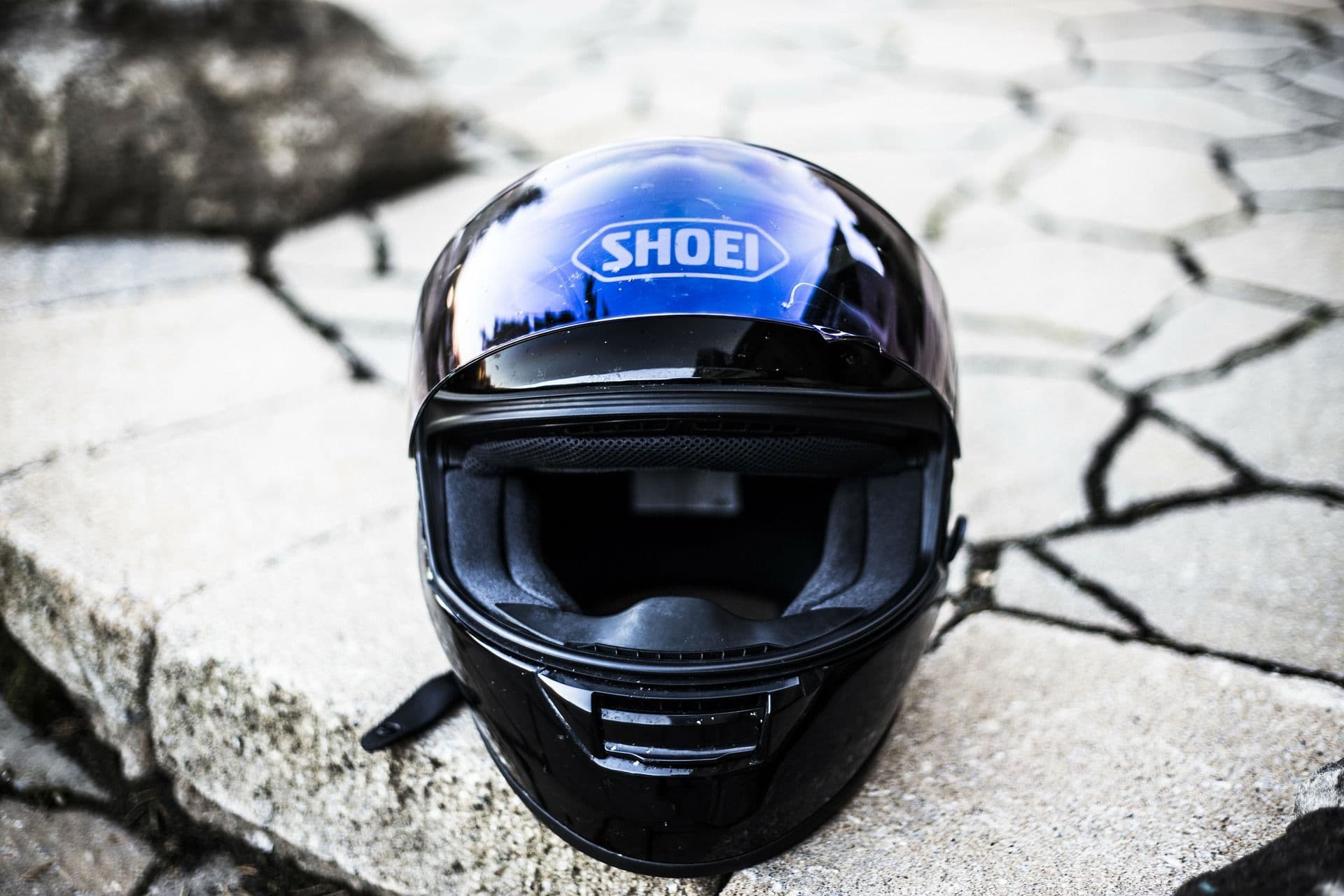
Protective armored clothing and helmets are the items that keep you safe when travelling far. And if you already own these items but don't know how to clean and store them properly, even good gear won't last.
1. Why must you clean protective clothing & helmets?
The reason is extremely simple and practical: if you don't clean them, they will give off a very unpleasant odor. It may even affect the people around you, such as your travel companion.
Protective clothing, just like a helmet, is inseparable from you when you conquer long stretches of road and enjoy the wonderful speed of a big-displacement motorcycle, or freely experience the open road with friends on your powerful bike. They protect you anytime, anywhere, keeping you safe on rugged terrain; however, at the same time they also retain a lot of your sweat and dirt from the outside environment. Therefore, if they aren't cleaned regularly and dried out, they will develop a very unpleasant smell.
2. How to clean motorcycle protective clothing
- After use, don't leave protective clothing inside a backpack, bag or trunk, as this will make them smell quickly.
- After use, place them in a cool, airy spot; drying them in the sun is good too, but don't leave them out too long. For a fullface helmet, you can use a cloth to absorb sweat from the inner lining.
- Use a soap with a low cleaning-agent content to wash the clothing as well as the helmet lining. For cases of very strong odor, you can try cold water and a little vinegar; avoid harsh detergents because they will directly affect your skin.
3. How to clean a fullface helmet.
The helmet can be said to be one of the most important items, tasked with protecting our head, the control center of all human activity. Cleaning the helmet properly also keeps you from getting an itchy scalp or dandruff... Bigbike recommends the deodorizing and antibacterial gear product THUNDER INTERIOR FRESH, which besides helmets can also be used for armored clothing, gloves and protective boots.
Regularly cleaning your helmet in particular, and protective clothing in general, not only keeps your gear fresh, odor-free and clean, but also extends its service life.
Clean the helmet with warm water and a low-detergent soap, such as a children's shampoo, to wash it.
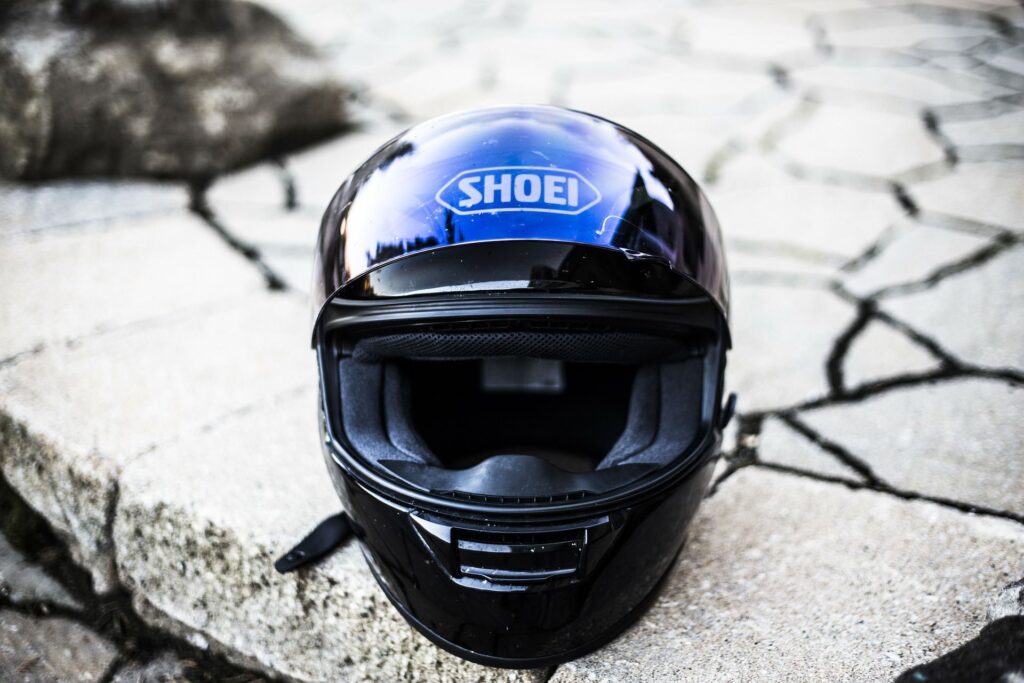
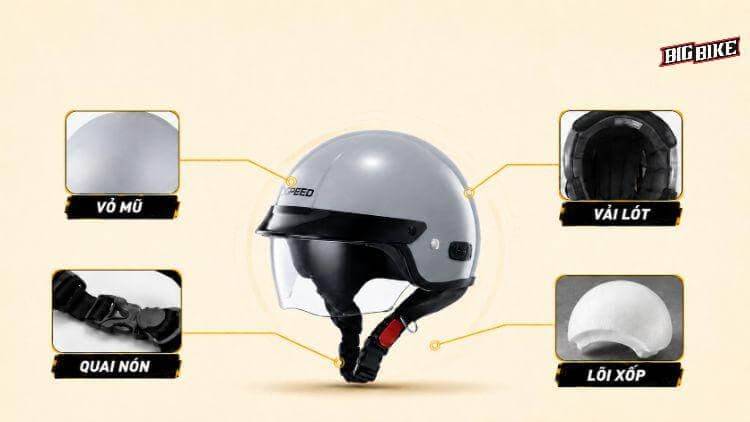
Avoid solvents and oil-based cleaners, as they can weaken the foam lining and the shell.
Let the helmet dry completely, ideally in the sunlight. It's best to turn the helmet upside down so the inner foam dries fully and doesn't get damp or moldy. But remember not to leave it out for too long.
Note: Don't use a dryer to dry the outer surface of the helmet for too long, because high temperatures will cause the paint to fade and peel easily.
And don't forget, protective clothing as well as helmets have a definite lifespan and need to be replaced once they reach their usage limit. Because after being used for too long their protective effect drops noticeably. So when that day comes, the most effective solution is to go to the shops that sell the highest-quality protective gear.
According to Bigbike.vn